CALL: +254714963809, +254700676333
Our Programs
In 2026, Food Banking Kenya (FBK) will focus on delivering scalable, sustainable, and impact-driven solutions that address food loss, hunger, nutrition, and community resilience. Our work is anchored on four interconnected thematic pillars that reflect our commitment to systems change across the food value chain.
1. Reducing Food Loss and Waste
Food loss and waste remain one of the most critical challenges within Kenya’s food system. Significant quantities of nutritious food are lost at the farm, market, and retail levels due to inefficiencies in harvesting, storage, transportation, and market access. FBK works to intercept this surplus food and redirect it to communities facing food insecurity.
Key Focus Areas
Food Recovery
FBK recovers safe, surplus food from multiple points along the agricultural value chain:
- Market Recovery: Collection of fresh produce from wholesale and open-air markets that would otherwise be wasted.
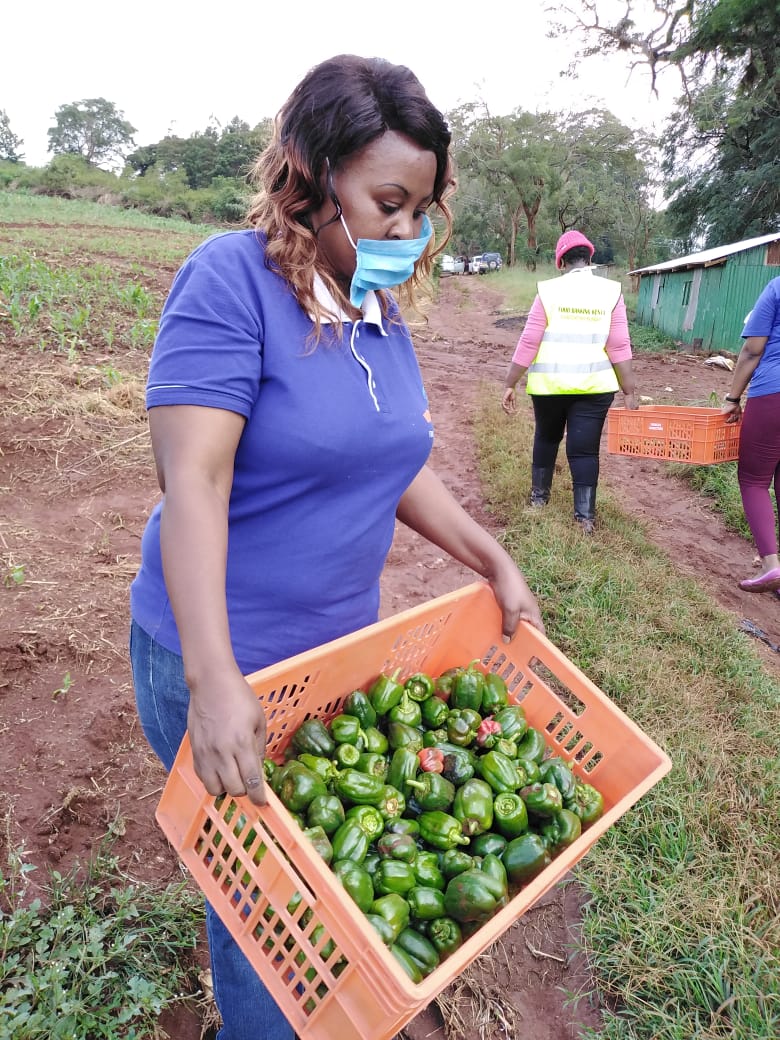
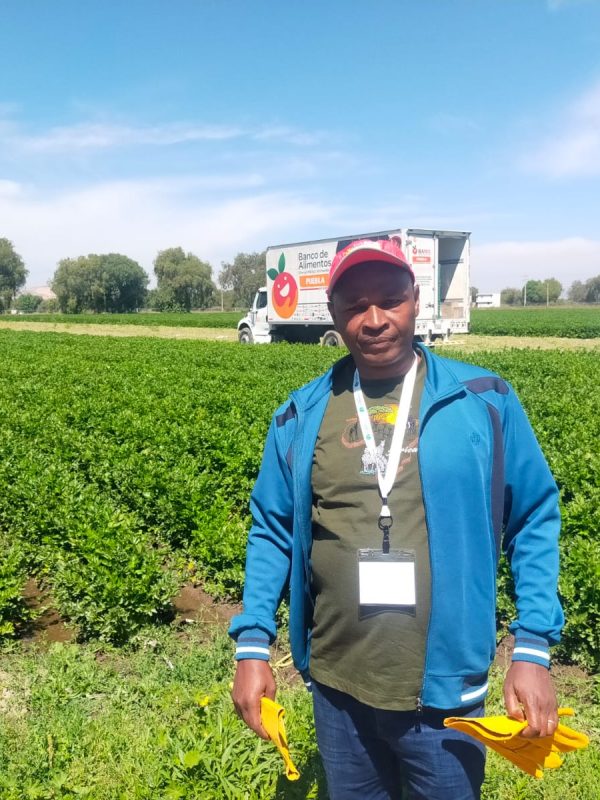
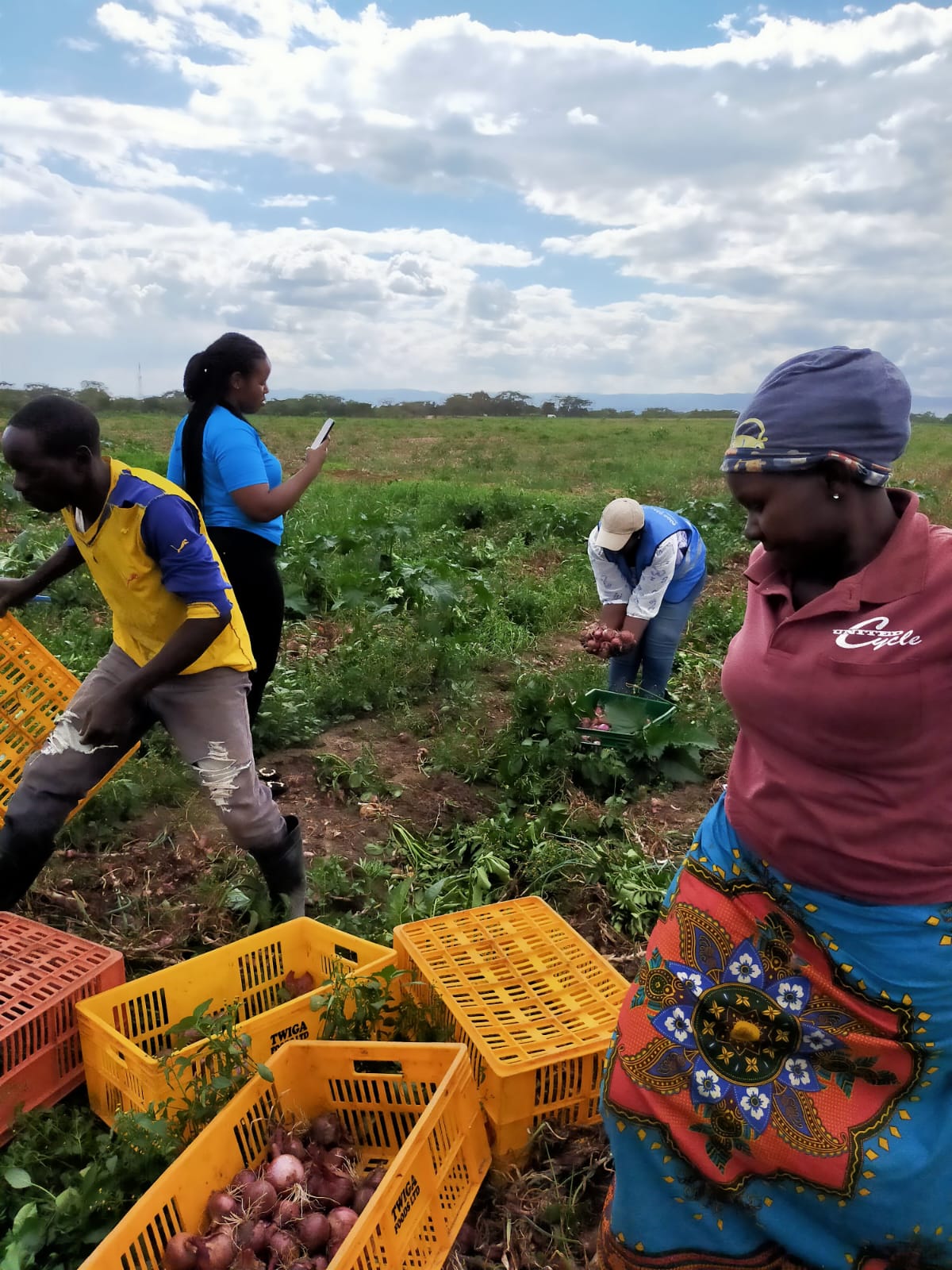
- Large Commercial Farms and Packhouses Recovery: Partnerships with commercial farms to recover surplus and cosmetically imperfect produce.
- Retail and Supermarket Recovery: Recovery of surplus food from retail outlets through structured food rescue agreements, food drives.
- Manufacturers & Food Processors
- Smallholder Farmer Recovery: Supporting smallholder farmers to reduce post-harvest losses by linking surplus produce to consumption channels.
- Food drives
Raising Awareness on Food Loss and Waste
FBK leads and is involved in awareness initiatives aimed at:
- Promoting responsible food handling and consumption.
- Advocating for food loss and waste reduction policies.
- Engaging the public, institutions, and private sector on sustainable food systems.
Through these efforts, FBK contributes to environmental sustainability while increasing food availability for vulnerable populations.
2. Feeding, Nutrition, and Consumer Behaviour
Access to food alone is not enough—nutrition, dignity, and informed consumer choices are equally critical. FBK’s feeding and nutrition programs focus on improving dietary diversity, promoting healthy eating habits, and responding to emergencies.
Key Focus Area
School Feeding Program
FBK supports school feeding initiatives by supplementing meals with fresh fruits and vegetables, improving nutritional outcomes and supporting child development, school attendance, and learning outcomes. (School-based solutions)
Community Feeding and Emergency Outreaches
FBK provides food assistance to communities affected by shocks such as droughts, floods, and economic hardship, ensuring timely access to nutritious food during emergencies.
Nutrition Education and Dietary Behaviour Change
We promote nutrition education to encourage healthier food choices, reduce diet-related diseases, and foster long-term behaviour change among households and communities.
Soup Kitchens
Through partnerships with community-based organisations, FBK supports soup kitchens that provide hot, nutritious meals to urban and peri-urban populations facing chronic food insecurity.
3. Technology for Food Systems Transformation
Technology is a key enabler of scale, efficiency, and sustainability in food banking. FBK leverages innovative technologies to reduce food loss, improve storage, and enhance access to food.
Key Focus Areas
Virtual Food Banking – Foodiverse Technology
FBK is advancing a virtual food banking model through Foodiverse technology, enabling real-time matching of surplus food with demand, improving traceability, coordination, and data-driven decision-making.
Solar Dehydration Solutions
By deploying solar dehydrators, FBK extends the shelf life of surplus produce, reduces post-harvest losses, and creates value-added food products that can be used in feeding programs.
Cold Chain Solutions
FBK promotes solar-powered cold rooms in markets and aggregation points to:
- Preserve fresh produce.
- Reduce spoilage.
- Improve incomes for farmers and traders while increasing food availability.
4. Community, and Partners Engagement and Empowerment
Sustainable food systems require empowered communities and strong partnerships. FBK places communities at the centre of its work by building local capacity, fostering volunteerism, and engaging the private sector.
Key Focus Areas
Smallholder Farmer Empowerment
FBK supports smallholder farmers through market linkages, food recovery initiatives, and post-harvest solutions that reduce losses and improve livelihoods.
Volunteer Program
Our volunteer program mobilises individuals and groups to support food recovery, sorting, distribution, and community engagement, fostering a culture of solidarity and shared responsibility.
Corporate Social Responsibility (CSR) Partnerships/ Esg reporting of our partners
FBK partners with corporates to design impactful CSR initiatives that support food recovery, feeding programs, environmental sustainability, and community empowerment.